Ancient Greek Wisdom on Slowing Down While Traveling
Discover how ancient Greek wisdom can enhance your travel experiences. Embrace mindful travel and the slow travel movement to truly savor every moment on your journeys.
There is a moment in Peloponnese when the afternoon slows down.
The light softens. The air gets warmer.
And wine is no longer something you drink — it becomes something you experience.
It happens quietly.
Without announcement. You notice it first in the way shadows lengthen across stone walls, then in the weight of stillness that settles over the vineyards.
The Golden Hour That Lasts
The Peloponnese Peninsula knows how to hold light.
Ancient stone absorbs the day's warmth and releases it slowly as evening approaches.
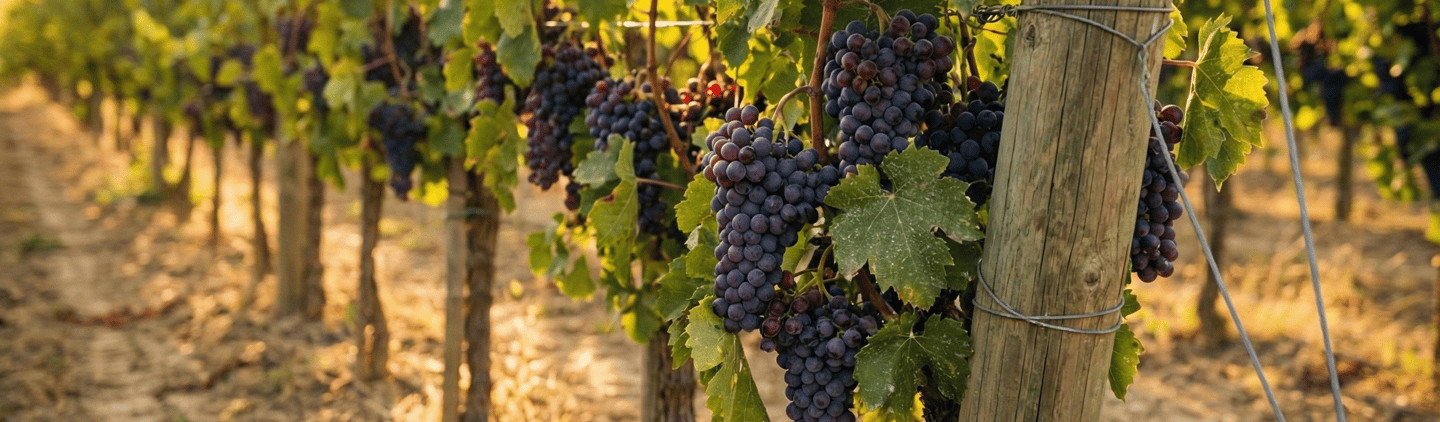
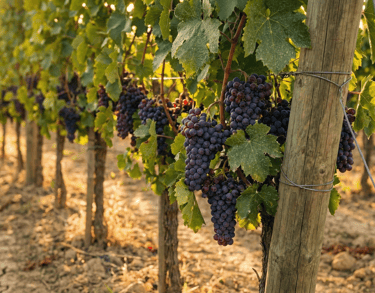
Vineyards stretch in gentle rows, their leaves catching the amber glow of late afternoon sun.
Cicadas hum their rhythmic song. A breeze moves through olive groves in the distance.
Time doesn't rush here—it pools and deepens, the way wine settles in a glass.
The textures tell their own story: weathered wood on vineyard gates, smooth limestone beneath your fingertips, the condensation on a wine bottle that's been resting in shade. Everything invites you to touch, to notice, to stay.
There's a particular quality to the silence.
Not empty, but full—filled with the small sounds that only emerge when you stop moving.
The creak of a chair. The pour of wine.
Your own breath.
Wine as Pause
In Peloponnese, wine isn't hurried.
It's not ordered quickly at a bar or poured mindlessly at dinner.
Here, wine asks for something different: your attention.
The ritual begins before the first sip. The selection. The uncorking. The pour.
Each gesture deliberate, each moment savored.
A glass catches the afternoon light, turning it amber and gold.
This isn't about tasting notes or varietals—though those matter to those who love them.
This is about what happens when you let wine become a conversation.
Between you and the land.
Between you and the afternoon.
Between you and whoever shares the table.
Wine here is memory in liquid form. It holds the soil, the season, the hands that tended the vines.
When you slow down enough to notice, each sip tells you something about where you are.
The best wineries in Peloponnese understand this. They don't rush you through tastings.
They let the silence do its work.
Ancient Wisdom, Modern Stillness
Ancient Greek philosophy wasn't about escaping life—it was about being fully present in it. Wine was part of that presence.
The Greeks had a word: χρόνος (chronos)—clock time, measured and counted. But they had another: καιρός (kairos)—the right time, the opportune moment, time as it's experienced rather than tracked.
Peloponnese afternoons exist in kairos time.
The kind where you lose track of hours but gain something deeper: connection, clarity, rest.
The ancient symposia weren't just drinking parties. They were gatherings built around conversation, philosophy, and moderation. Wine wasn't the point—presence was. The wine simply made the presence easier, softer, more honest.
Modern travel often operates in chronos: schedules, itineraries, must-see lists. But the travelers who remember their journeys most vividly are the ones who found kairos—who let an afternoon unfold without agenda.
You can find that here. In a vineyard chair. In a glass of local wine.
In the choice to stay still while the light changes.
What Stays With You
After years working in wine tourism across different countries, I've learned that what people remember most isn't just the taste—it's how a place makes them feel. Visuals play a quiet but powerful role in that feeling.
The way afternoon light falls across a vineyard.
The texture of an old stone wall.
The composition of an empty chair waiting for someone to sit and simply be.
These images aren't just pretty—they're invitations to a different pace of experiencing the world.
Let It Happen
Peloponnese has many afternoons like this. You just need to let them happen.
Not every moment needs to be captured, cataloged, or shared.
Some moments exist best when you're simply in them—glass in hand, light on your face, nowhere else to be.
The wine will still be there.
The view will still be beautiful. But the afternoon—this afternoon, with this light, in this stillness—happens only once.
Let it.


© 2026 Maggie · Loutraki, Greece · maggieloutraki@gmail.com
Travel Peloponnese